Buy toolsforentrepreneur.eu ?
We are moving the project
toolsforentrepreneur.eu .
Are you interested in purchasing the domain
toolsforentrepreneur.eu ?
domain@kv-gmbh.de · 0541-91531010
Buy toolsforentrepreneur.eu ?
What is the lack of normative character?
The lack of normative character refers to a situation where something does not conform to established norms or standards. It can indicate a deviation from what is considered typical or acceptable behavior within a particular context. This lack of normative character can lead to confusion, conflict, or criticism as it goes against the expected or desired norms of a society or group. In essence, it signifies a departure from the normative expectations or guidelines that are commonly upheld. **
What is the difference between appellative, descriptive, and normative?
Appellative refers to names or labels that are used to identify or refer to something, such as a person or object. Descriptive refers to statements or judgments that describe the characteristics or qualities of something. Normative refers to statements or judgments that prescribe or dictate what should be done based on a standard or norm. In summary, appellative is about naming, descriptive is about describing, and normative is about prescribing or dictating behavior. **


Similar search terms for Normative
Top-Angebote
Products related to Normative:
-
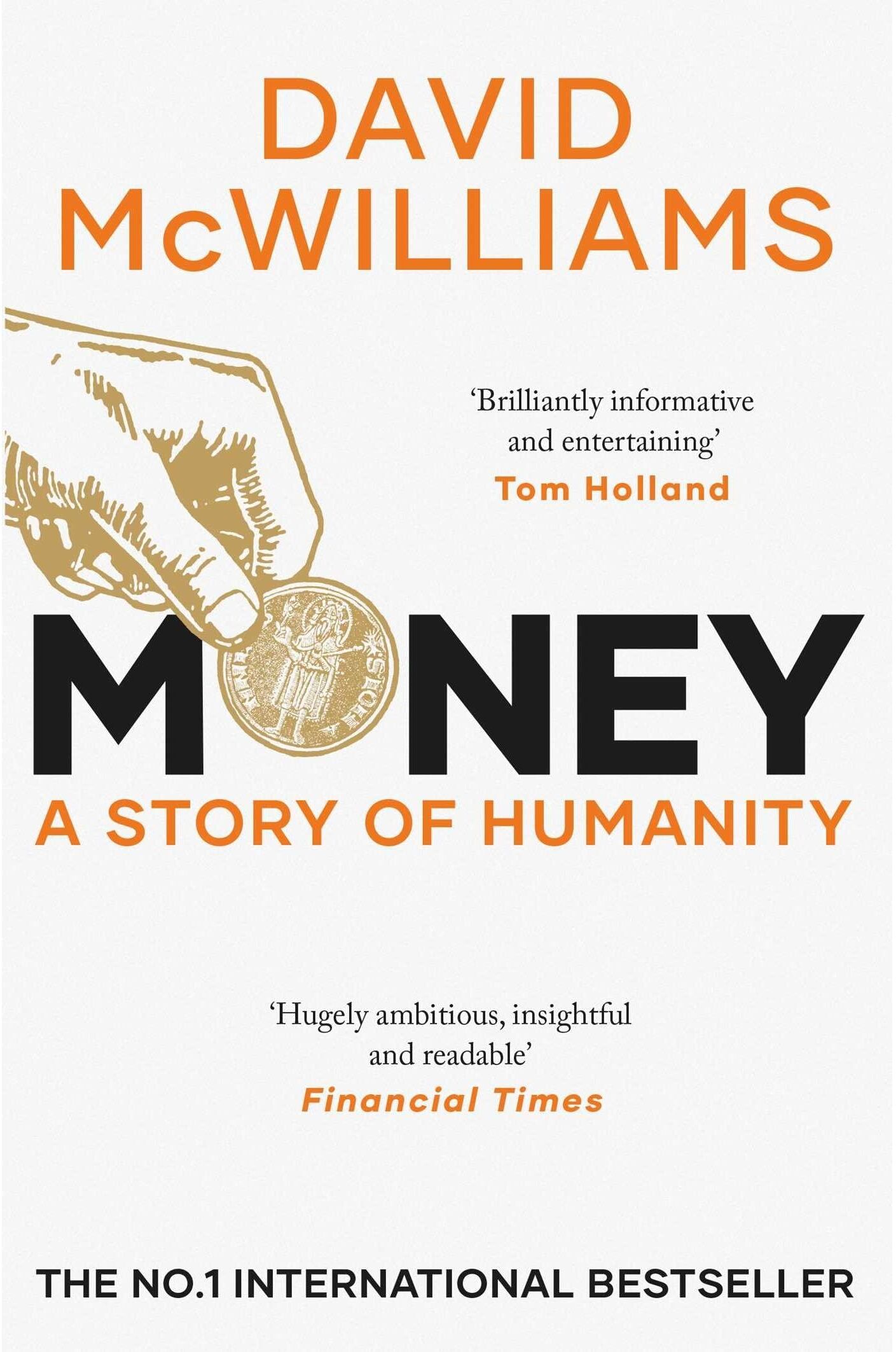
Simon & Schuster Money: A Story of Humanity by David McWilliams Economic History & Global Finance ExplainedIn Money: A Story of Humanity, renowned economist David McWilliams explores the fascinating history of money — not just as currency, but as a powerful force that has shaped human civilisation, relationships, technology, and global society. From ancient barter systems to cryptocurrency revolutions, McWilliams reveals how money reflects our values, ambitions, fears, politics, and culture.Rich with storytelling, sharp insights, and humour, this book makes complex economic ideas accessible, engaging, and deeply human. Perfect for readers who enjoy exploring how history, psychology, markets, and power intersect, Money: A Story of Humanity provides a fresh, eye-opening look at how money drives — and is driven by — human behaviour. Ideal for fans of Yuval Noah Harari, Tim Harford, Niall Ferguson, and Mary Beard.7,99 £*Shipping: 2,99 £Secure redirect to the provider
-
Multisell Products Hub Easy To Play Chess Board Game Toy, Educational Strategy Table Games Easy To Play Chess Board Game Toy, Educational Strategy Table GamesEngage Your Mind with a Classic Chess Board Game The Chess Board Game Toy is a timeless strategy game that offers endless fun for both beginners and experienced players. Designed to be easy to play, this game is perfect for improving focus,...49,97 $*Shipping: 0,00 $Secure redirect to the provider
-
Pan Macmillan The $100 Startup: Fire Your Boss, Do What You Love and Work Better To Live MoreYou no longer need to work nine-to-five in a big company to pay the mortgage, send your kids to school and afford that yearly holiday. You can quit the rat race and start up on your own – and you don't need an MBA or a huge investment to do it. The $100 Startup by Chris Guillebeau is your manual to a new way of living. Learn how to: - Earn a good living on your own terms, when and where you want - Achieve that perfect blend of passion and income to make work something you love - Take crucial insights from 50 ordinary people who started a business with $100 or less - Spend less time working and more time living your life4,95 £*Shipping: 1,99 £Secure redirect to the provider
-
Uplift Picks Big Eat Small Tic Tac Toe Board Game Interactive Strategy Party Toy Big Eat Small Tic Tac Toe Board Game Interactive Strategy Party ToyChallenge minds and spark laughter with this big eat small board game that adds a clever twist to classic tic tac toe. Designed for kids and adults alike, it blends simple rules with strategic thinking to keep every round exciting. Players must...45,50 $*Shipping: 0,00 $Secure redirect to the provider



-
What is the difference between descriptive and normative ethics?
Descriptive ethics is the study of what people believe to be right or wrong, without making judgments about those beliefs. It describes the moral beliefs and practices of individuals or groups. On the other hand, normative ethics is concerned with determining what is morally right or wrong, good or bad. It seeks to establish ethical principles or theories that can guide individuals in making moral decisions. In essence, descriptive ethics describes existing moral beliefs, while normative ethics prescribes what ought to be considered morally right or wrong. **
-
How do you distinguish between normative and descriptive statements?
Normative statements express an opinion or value judgment about what should or ought to be. They are subjective and cannot be proven true or false. Descriptive statements, on the other hand, describe the way things are or the way things are believed to be. They are objective and can be tested and proven true or false through observation and evidence. In summary, normative statements express opinions about what should be, while descriptive statements describe what is. **
-
What are authority arguments, factual arguments, and normative arguments?
Authority arguments are based on the expertise or credibility of the source making the argument. They rely on the reputation or qualifications of the person or organization presenting the information. Factual arguments are based on evidence, data, and verifiable information. They rely on the accuracy and truthfulness of the information presented to support a particular point of view. Normative arguments are based on values, beliefs, and moral principles. They rely on what is considered to be right or wrong, good or bad, and are often used to make ethical or moral judgments. **
-
What are the differences between normative, descriptive, and evaluative linguistics?
Normative linguistics focuses on prescribing rules and standards for language use, often based on traditional grammar and usage. Descriptive linguistics, on the other hand, aims to objectively describe and analyze how language is actually used by speakers and how it functions in different contexts. Evaluative linguistics involves making judgments about language use and its effectiveness, often considering factors such as clarity, appropriateness, and impact. While normative linguistics sets rules, descriptive linguistics observes language use, and evaluative linguistics assesses language in use. **


What is the difference between a normative and a descriptive source?
A normative source provides guidance on how things should be or how people ought to behave based on values, beliefs, or principles. It offers recommendations for ideal or ethical behavior. On the other hand, a descriptive source simply describes how things are or how people actually behave without making judgments or recommendations. Descriptive sources focus on providing information and analysis of current practices or behaviors without prescribing any particular course of action. **
How do you distinguish normative and descriptive statements from each other?
Normative statements express an opinion or value judgment about what should or ought to be. They are prescriptive in nature and often involve moral or ethical considerations. Descriptive statements, on the other hand, describe the way things are or the way things are believed to be, without expressing any value judgment. They are based on empirical evidence and aim to provide an objective account of reality. Distinguishing between the two involves recognizing whether the statement is making a value judgment or simply describing a factual state of affairs. **
Top-Angebote
Products related to Normative:
-
Juggernaut Publication Ankur Warikoo Collection – 2 Book Set Do Epic Shit & Get Epic Shit Done Self-Help, Success & Personal GrowthBuild better habits, make smarter decisions, and unlock your potential with the Ankur Warikoo Collection – 2 Book Set by entrepreneur, content creator, and bestselling author Ankur Warikoo. This inspiring collection includes: Do Epic Shit Get Epic Shit Done Do Epic Shit shares thought-provoking lessons on success, failure, money, habits, relationships, entrepreneurship, and self-awareness through concise, easy-to-read reflections. Get Epic Shit Done takes a practical approach, presenting answers to common life questions and encouraging readers to turn inspiration into action with clear, actionable advice. Whether you're a student, entrepreneur, young professional, or anyone seeking personal growth, this two-book collection offers valuable insights to help you develop confidence, improve productivity, and create lasting positive change. Why Readers Love This Collection: Includes 2 bestselling books by Ankur Warikoo Practical advice on success, habits, money, and mindset Inspires action through relatable real-life lessons Easy-to-read format with actionable insights Ideal for students, entrepreneurs, professionals, and aspiring leaders A motivating and practical collection, the Ankur Warikoo 2 Book Set is perfect for anyone looking to build better habits, think differently, and achieve personal and professional success.9,50 £*Shipping: 2,99 £Secure redirect to the provider
-
Classic Editions The Complete Art of War – 8 Book Hardback Box Set Sun Tzu & Ancient Chinese Military Strategy Classics Leadership, Warfare & Strategy CollectionExplore centuries of strategic thinking with The Complete Art of War – 8 Books Collection Hardback Box Set, an impressive collection of classical Chinese writings on warfare, leadership, tactics and strategy. Bringing together influential works from ancient Chinese military thought, this hardback collection includes titles such as The Art of War, Methods of the Sima, Wuzi, Wei Liaozi, Three Strategies of Huang Shigong, and Six Secret Teachings of Taigong, alongside additional works included in the eight-volume set. These enduring texts examine subjects including leadership, planning, discipline, intelligence, diplomacy, battlefield tactics and strategic decision-making. Although written in the context of ancient warfare, many of their principles have subsequently attracted readers interested in history, leadership and strategic thinking. Presented as an 8-volume hardback boxed collection, the set is ideal for readers of military history, students of classical philosophy and collectors of beautifully presented classic works. Why Readers Will Love This Collection Includes 8 hardback volumes in a collectible box set Features influential works of ancient Chinese military strategy Explores strategy, leadership, tactics and decision-making Excellent addition to military history and philosophy collections Attractive hardback format for a home or study library Ideal gift for history, strategy and classic literature enthusiasts The Complete Art of War 8 Book Collection brings together some of history's most enduring works on strategy in one impressive hardback set. Titles In This Set: Notebook Questions and Replies Three Strategies of Huang Shigong Wuzi Wei Liaozi The Methods of The Sima Six Secret Teachings of Taigong The Art of War16,99 £*Shipping: 2,99 £Secure redirect to the provider
-
Simon & Schuster Money: A Story of Humanity by David McWilliams Economic History & Global Finance ExplainedIn Money: A Story of Humanity, renowned economist David McWilliams explores the fascinating history of money — not just as currency, but as a powerful force that has shaped human civilisation, relationships, technology, and global society. From ancient barter systems to cryptocurrency revolutions, McWilliams reveals how money reflects our values, ambitions, fears, politics, and culture.Rich with storytelling, sharp insights, and humour, this book makes complex economic ideas accessible, engaging, and deeply human. Perfect for readers who enjoy exploring how history, psychology, markets, and power intersect, Money: A Story of Humanity provides a fresh, eye-opening look at how money drives — and is driven by — human behaviour. Ideal for fans of Yuval Noah Harari, Tim Harford, Niall Ferguson, and Mary Beard.7,99 £*Shipping: 2,99 £Secure redirect to the provider
-
Multisell Products Hub Easy To Play Chess Board Game Toy, Educational Strategy Table Games Easy To Play Chess Board Game Toy, Educational Strategy Table GamesEngage Your Mind with a Classic Chess Board Game The Chess Board Game Toy is a timeless strategy game that offers endless fun for both beginners and experienced players. Designed to be easy to play, this game is perfect for improving focus,...49,97 $*Shipping: 0,00 $Secure redirect to the provider
-
What is the lack of normative character?
The lack of normative character refers to a situation where something does not conform to established norms or standards. It can indicate a deviation from what is considered typical or acceptable behavior within a particular context. This lack of normative character can lead to confusion, conflict, or criticism as it goes against the expected or desired norms of a society or group. In essence, it signifies a departure from the normative expectations or guidelines that are commonly upheld. **
-
What is the difference between appellative, descriptive, and normative?
Appellative refers to names or labels that are used to identify or refer to something, such as a person or object. Descriptive refers to statements or judgments that describe the characteristics or qualities of something. Normative refers to statements or judgments that prescribe or dictate what should be done based on a standard or norm. In summary, appellative is about naming, descriptive is about describing, and normative is about prescribing or dictating behavior. **
-
What is the difference between descriptive and normative ethics?
Descriptive ethics is the study of what people believe to be right or wrong, without making judgments about those beliefs. It describes the moral beliefs and practices of individuals or groups. On the other hand, normative ethics is concerned with determining what is morally right or wrong, good or bad. It seeks to establish ethical principles or theories that can guide individuals in making moral decisions. In essence, descriptive ethics describes existing moral beliefs, while normative ethics prescribes what ought to be considered morally right or wrong. **
-
How do you distinguish between normative and descriptive statements?
Normative statements express an opinion or value judgment about what should or ought to be. They are subjective and cannot be proven true or false. Descriptive statements, on the other hand, describe the way things are or the way things are believed to be. They are objective and can be tested and proven true or false through observation and evidence. In summary, normative statements express opinions about what should be, while descriptive statements describe what is. **
Similar search terms for Normative
-
Pan Macmillan The $100 Startup: Fire Your Boss, Do What You Love and Work Better To Live MoreYou no longer need to work nine-to-five in a big company to pay the mortgage, send your kids to school and afford that yearly holiday. You can quit the rat race and start up on your own – and you don't need an MBA or a huge investment to do it. The $100 Startup by Chris Guillebeau is your manual to a new way of living. Learn how to: - Earn a good living on your own terms, when and where you want - Achieve that perfect blend of passion and income to make work something you love - Take crucial insights from 50 ordinary people who started a business with $100 or less - Spend less time working and more time living your life4,95 £*Shipping: 1,99 £Secure redirect to the provider
-
Uplift Picks Big Eat Small Tic Tac Toe Board Game Interactive Strategy Party Toy Big Eat Small Tic Tac Toe Board Game Interactive Strategy Party ToyChallenge minds and spark laughter with this big eat small board game that adds a clever twist to classic tic tac toe. Designed for kids and adults alike, it blends simple rules with strategic thinking to keep every round exciting. Players must...45,50 $*Shipping: 0,00 $Secure redirect to the provider
-
Uplift Picks Triggle Triangle Strategy Board Game For Family Play burgundyGame nights are better when everyone is thinking, laughing, and competing together. The Triggle Triangle Strategy Board Game is a fastpaced, handson game that blends logic, timing, and friendly competition. Designed for both kids and adults, it...54,50 $*Shipping: 0,00 $Secure redirect to the provider
-
Pan Macmillan/Penguin Start With Why By Simon Sinek & The $100 Startup By Chris Guillebeau 2 Books Collection SetStart With Why By Simon Sinek & The $100 Startup By Chris Guillebeau 2 Books Collection Set: Start With Why: Those who have had the greatest influence in the world all think, act, and communicate in the same way - and it's the opposite to most. In Start with Why, Simon Sinek uncovers the fundamental secret of their success - understanding their WHY - to help you find your own. The $100 Startup: Change your job to change your life, You no longer need to work nine-to-five in a big company to pay the mortgage, send your kids to school and afford that yearly holiday. You can quit the rat race and start up on your own - and you don't need an MBA or a huge investment to do it.12,99 £*Shipping: 2,99 £Secure redirect to the provider
-
What are authority arguments, factual arguments, and normative arguments?
Authority arguments are based on the expertise or credibility of the source making the argument. They rely on the reputation or qualifications of the person or organization presenting the information. Factual arguments are based on evidence, data, and verifiable information. They rely on the accuracy and truthfulness of the information presented to support a particular point of view. Normative arguments are based on values, beliefs, and moral principles. They rely on what is considered to be right or wrong, good or bad, and are often used to make ethical or moral judgments. **
-
What are the differences between normative, descriptive, and evaluative linguistics?
Normative linguistics focuses on prescribing rules and standards for language use, often based on traditional grammar and usage. Descriptive linguistics, on the other hand, aims to objectively describe and analyze how language is actually used by speakers and how it functions in different contexts. Evaluative linguistics involves making judgments about language use and its effectiveness, often considering factors such as clarity, appropriateness, and impact. While normative linguistics sets rules, descriptive linguistics observes language use, and evaluative linguistics assesses language in use. **
-
What is the difference between a normative and a descriptive source?
A normative source provides guidance on how things should be or how people ought to behave based on values, beliefs, or principles. It offers recommendations for ideal or ethical behavior. On the other hand, a descriptive source simply describes how things are or how people actually behave without making judgments or recommendations. Descriptive sources focus on providing information and analysis of current practices or behaviors without prescribing any particular course of action. **
-
How do you distinguish normative and descriptive statements from each other?
Normative statements express an opinion or value judgment about what should or ought to be. They are prescriptive in nature and often involve moral or ethical considerations. Descriptive statements, on the other hand, describe the way things are or the way things are believed to be, without expressing any value judgment. They are based on empirical evidence and aim to provide an objective account of reality. Distinguishing between the two involves recognizing whether the statement is making a value judgment or simply describing a factual state of affairs. **
* All prices are inclusive of VAT and, if applicable, plus shipping costs. The offer information is based on the details provided by the respective shop and is updated through automated processes. Real-time updates do not occur, so deviations can occur in individual cases. ** Note: Parts of this content were created by AI.